
Bountiful Landscapes & Consulting
Transforming People & Places to Create Vibrant Health & Beautiful Outdoor Spaces
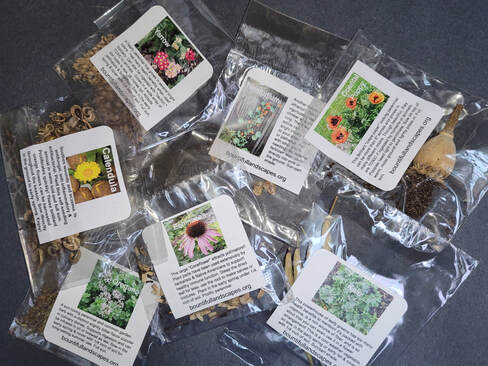
Food & Flowers from Seed
|
|
Biodiversity
|
Biodiversity provides
|
Build a Beautiful and Bountiful Chemical-FREE Landscape!
Seeds & Planting Instructions
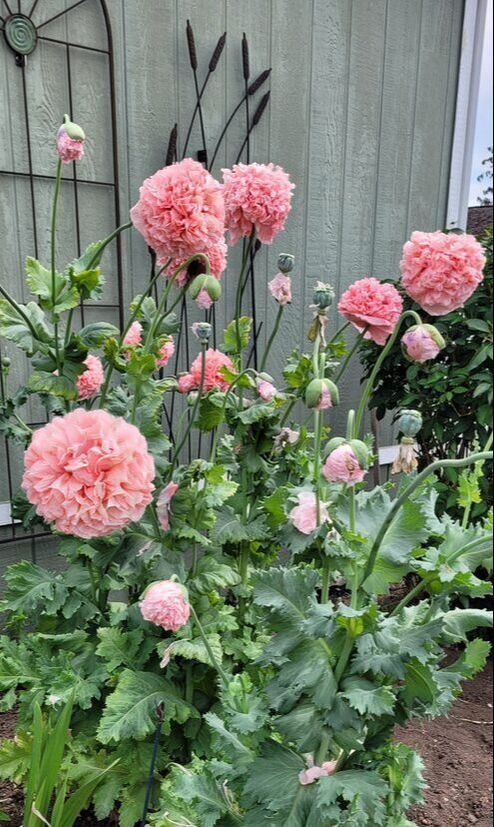
Poppy
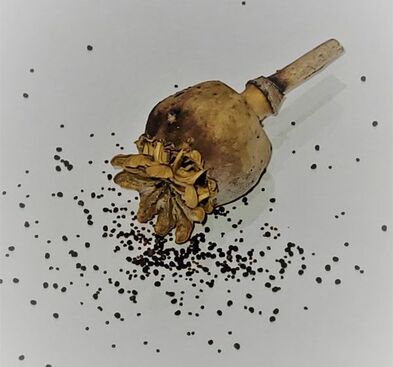
This stunning "Peony" double-pink poppy blooms in spring and summer at a stunning 4-5 ft tall! A VERY attractive pollinator for garden brilliance!! Though beautiful, they are TOXIC if ingested by humans or animals. Poppies need light to germinate. Sow on top of warm, moist ground and lightly press in. sun 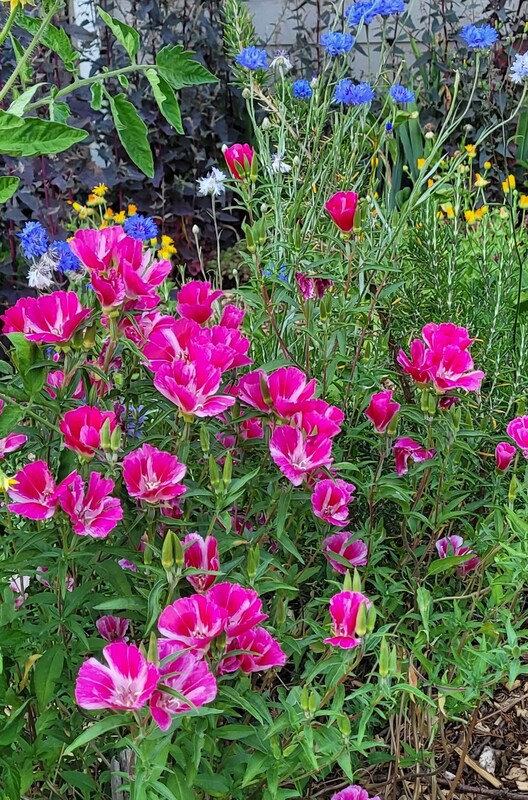
Godetia
(Farewell to Spring) Annual pollinator and showy cut flower, 2-3 ft tall. In early spring, sprinkle seeds on top of warm, moist ground and lightly press in. Requires light to germinate. Tolerates a wide range of soils. Keep soil moist and deadhead to continue blooming. Great for bouquets!! sun/part shade 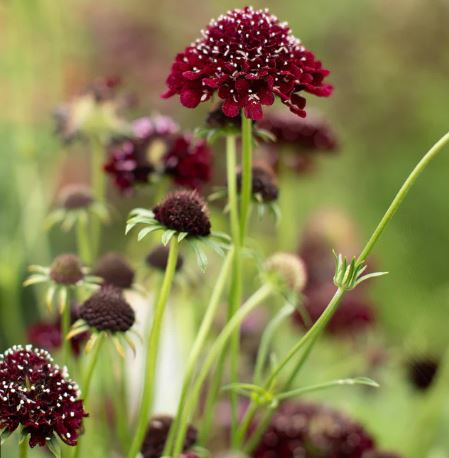
Scabiosa
(Pincushion Flower) Clumping perennial on long stems that dance in the garden from late spring thru fall. The colors range from pink to light purple or dark burgundy. The large oval seed heads on wiry stems can be dried to accent a winter arrangement or left as winter food for birds. Prolific spreader. Sow thinly and evenly in the spring then cover with 1/4 inch of soil. sun |

Borage
Echinacea
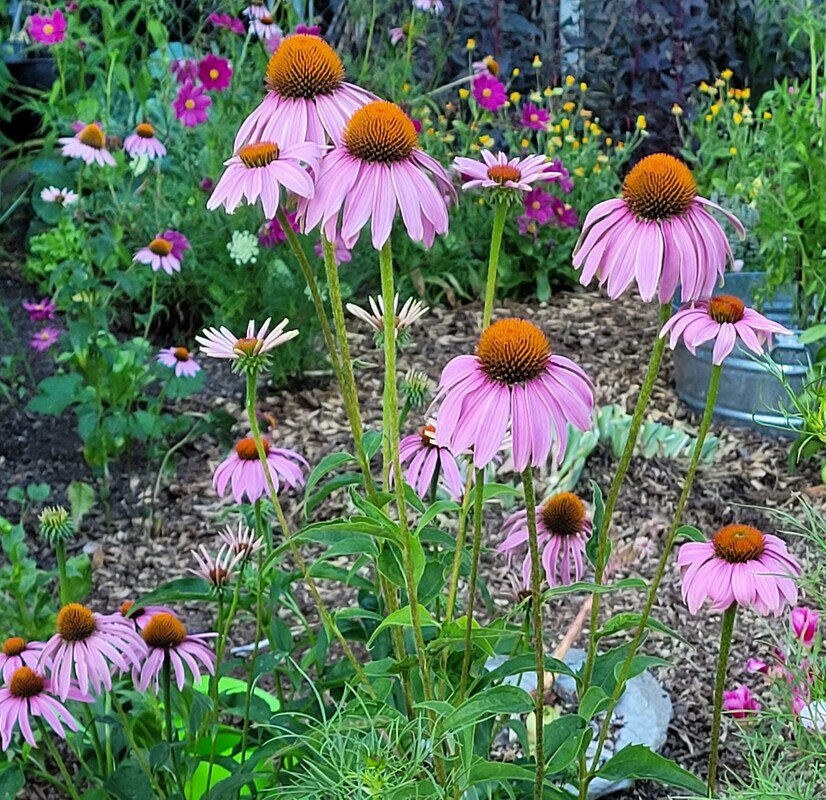
This large "Coneflower" attracts pollinators!! Plant parts have been used extensively by herbalists & Native Americans to support healthy immune function. Steep the dried leaf for teas, use the root to make salves or tinctures. Plant in the early spring under 1/4 inch of soil. Prolific perennial. sun/part sun 
Fennel
This herb is a great plant, but NOT for the vegetable garden, as it will inhibit growth of some. It is a vigorous licorice-tasting perennial bush that can grow quite tall. The flavor is divine in meals from savory to sweet. Bulb, stalk & fronds are all edible! Grow the smaller bulb-type if you enjoy root vegetables, or let the tall one serve as a fragrant border. Plant seeds 3-4 inches apart. sun 
Nigella
(Love in a Mist) 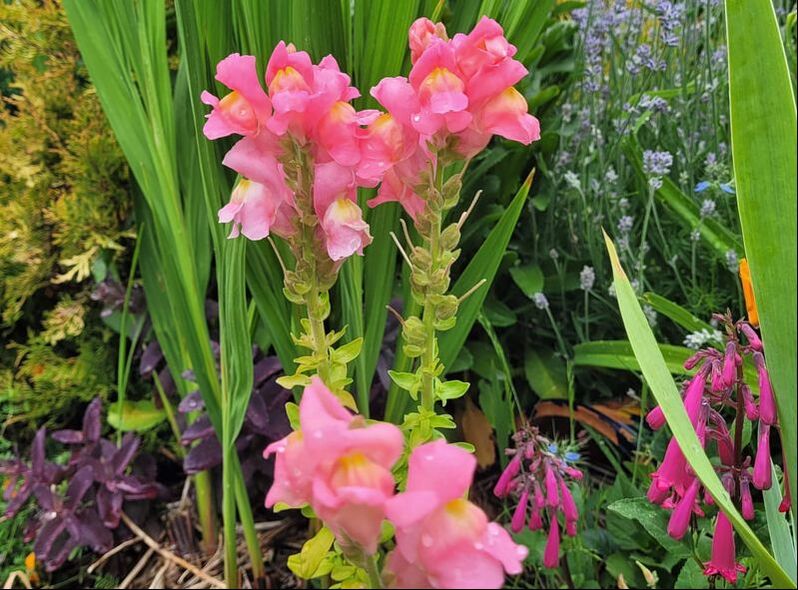
Snapdragon
|

Yarrow
A hearty drought-tolerant perennial that grows in several bright colors. Salve has many health benefits when used topically. Can also be ingested with *caution.* TOXIC to animals. Grows in a wide array of soil types 24- 36 inches tall. Attracts pollinators & butterflies! Sow in the early spring & cover with 1/4 inch of soil. sun 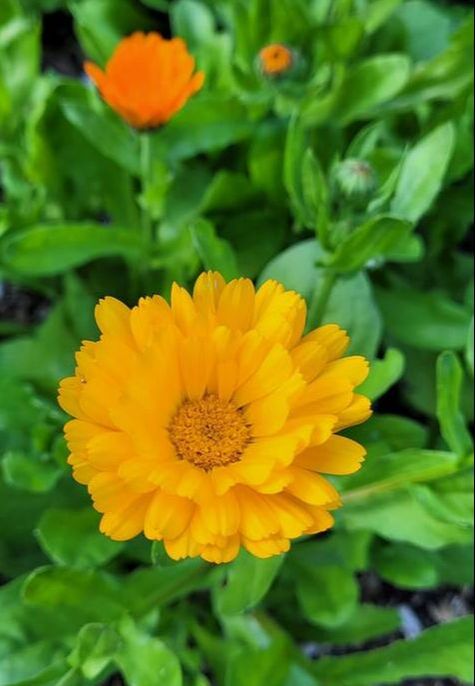
Calendula
Soothes wounds and eczema. Is antifungal, anti-inflammatory & antibacterial. Plant this self-seeding annual in full sun. Proliferates quickly! These brilliant orange flowers can be harvested throughout the season. Sow directly in the ground in early spring. Great for a wildflower patch!! sun/part sun 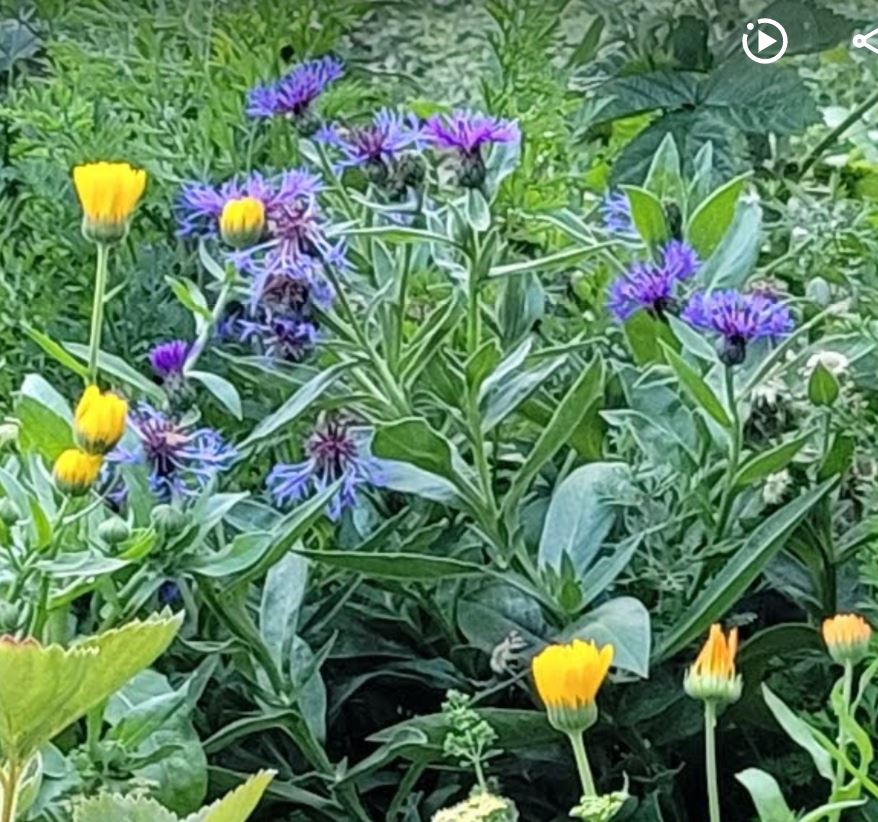
Bee Balm
A must-have for an herb garden, bee balm boasts a variety of health benefits. Blue or fuchsia pink, this perennial spreader blooms continuously throughout the summer. The Bees love it!! The fresh flowers are a nice accent to salad, and the dried flowers make a beautiful bright red tea. This tea is a digestive aid that helps to relieve nausea, sore throat and upset stomach. It is also a natural antiseptic and can be applied topically to help with bee stings and rashes. Can reach 3 ft tall. Grows best in moist soil & part shade |
Oregano
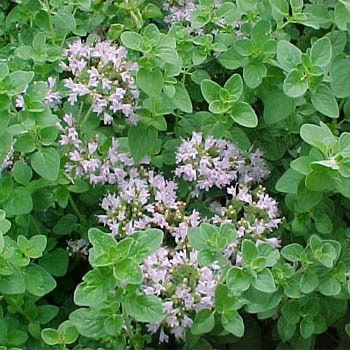
A sun-loving perennial and common garden herb with a distinct slightly bitter flavor popular in culinary dishes. Supports digestion and can be infused in oil or brewed as tea. Sow in the early spring & cover with 1/4 inch of soil for long-lasting summer use. sun 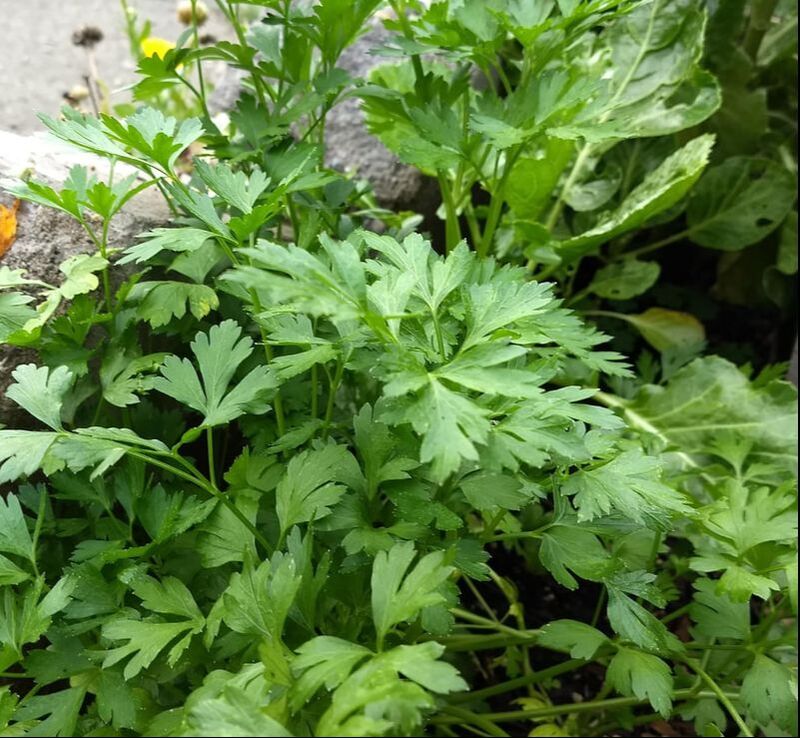
Parsley
Primarily a culinary herb that combines with almost any savory dish. Dried leaf can also be steeped for tea. Has antibacterial properties. Herb is rich in nutrients and antioxidants. Supports bone health. Prolific self-seeding annual. Scatter seeds and top with 1/4" of soil. sun 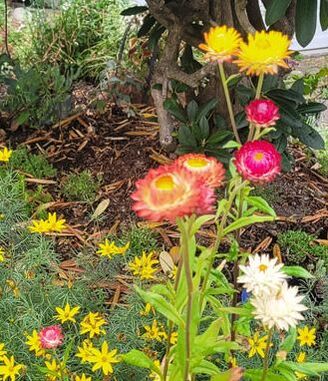
Statice
Kale
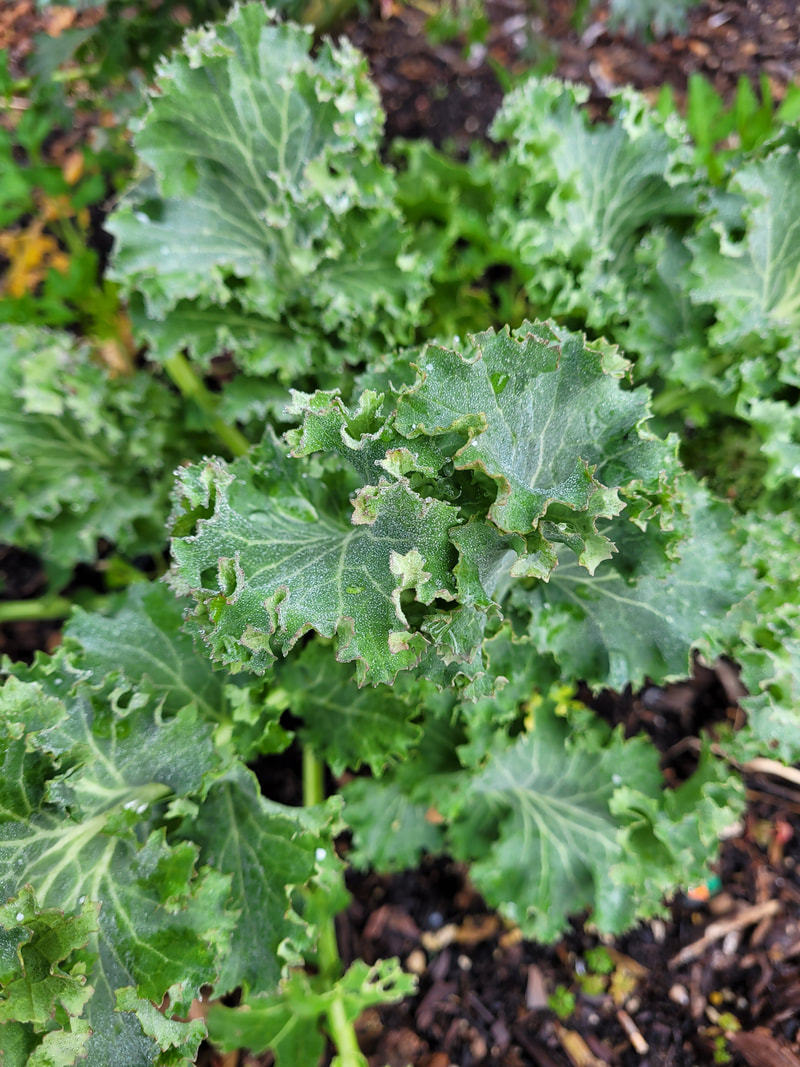
This powerhouse of leafy greens has too many health benefits to mention! It's packed with vitamins, is a rich source of fiber, and is so stout that you can even use it in a flower arrangement! This is a cool weather vegetable, so sow in the early spring or early fall & cover with 1/4 inch of soil. sun/part shade |
Cosmos
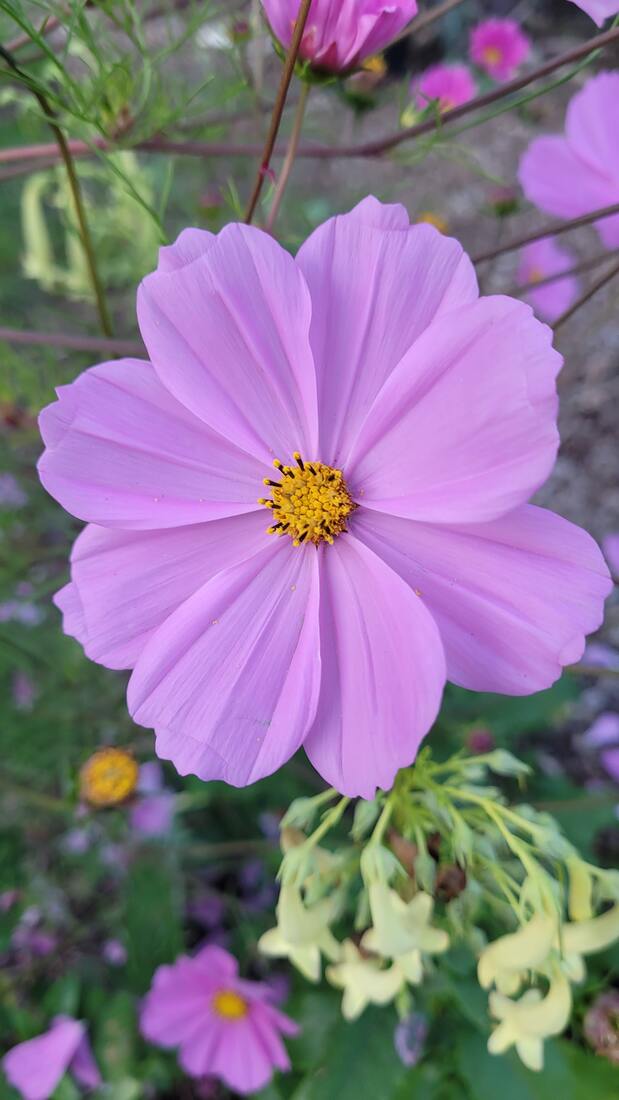
An annual flower 3-5 ft tall. Attracts pollinators with prolific blooming throughout the season! Plant in the spring, or let the spiky seed heads fly away in the fall to self sow. This drought-tolerant plant grows in a rainbow of colors, and has medicinal uses as well! sun-part shade 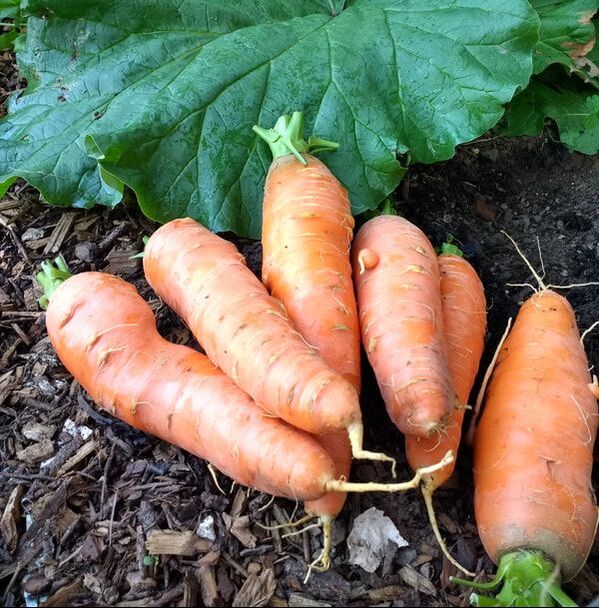
Carrots
Boasts fiber, beta-carotene, vitamins A & K, and calcium. This favorite carrot seed is not wormy nor woody, and is a hearty grower apx 5-7" long! To have the root part grow more than the top, a less nitrogen-rich, sandy-ish soil is best. Scatter tiny seeds in a shallow trench & top with 1/4" of soil. Thin 2-3" plants early for best success. Plant in the late summer or fall to harvest in the late spring or summer. Carrot tops are edible too!! sun/part shade 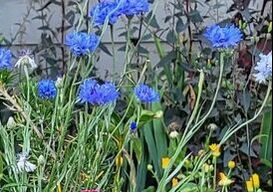
Bachelor Button
Although not a WA native, this *cornflower* is a vibrant addition to any garden! The 3 ft tall stems range in color from white to purple then dark blue. This plant does have many medicinal benefits, AND you can eat the flowers!! It is easy to grow no matter when and where you plant. Beware, it is a prolific self-seeder, so be sure to cut off the seed heads before they fall to control the spread. Grow in full sun. Enjoy! Help Keep Water Clean
|
